Planning your first kart racing season? The race entry fee is usually the easiest expense to figure out. The harder part is knowing how much you’ll spend on the kart itself, tires, maintenance, practice sessions and everything else needed to compete throughout the year.
For local Briggs LO206 club racing in the United States, a first-season budget of roughly $5,000 to $10,000 is a reasonable starting estimate when you’re buying a used kart and safety equipment. It’s a broad planning range, not a verified national average. Your actual cost depends on the equipment you purchase and the races you enter.
Already own a kart? Your expenses will look quite different. You’ll mainly be paying for race entries, tires, fuel, maintenance and travel.
Let’s look at what goes into a full kart racing season and where you can keep expenses under control.
How Much Does a Racing Kart Cost?
The kart itself is usually the biggest upfront expense when you’re getting started in competitive racing. Prices vary depending on the chassis, engine, condition and included equipment, so it’s important to compare complete race-ready packages rather than looking at the advertised price alone.
For example, a used 2015/2016 Alpha chassis with a Briggs LO206 engine and data logger has been advertised for $3,500 plus tax. Buying new generally costs more. The 2026 Birel ART AM29 S-19 4T chassis is priced at $4,395, but that’s for the rolling chassis. You’ll still need a compatible engine and any additional components required to complete the setup.
A used kart can be a sensible purchase for club racing, provided it’s in good condition. Before buying, inspect the chassis for cracks or damage, check the brakes and steering, and ask about the engine’s maintenance history. Find out which spare parts are included, too. Replacing worn components immediately after purchasing can quickly eat into the money you’ve saved.
It’s also worth checking your local club’s class regulations before spending anything. A kart that looks like a great deal won’t be much use if the chassis or engine isn’t eligible for the races you plan to enter. An experienced kart mechanic can help assess a used setup and identify any repairs needed before its first race.
How Much Does Kart Racing Safety Equipment Cost?
Your racing budget also needs to cover a helmet, racing suit, gloves, racing shoes and any additional protection required by your club.
Helmet approval standards, body protection requirements and other safety regulations can vary by organization and driver age. Check the current rules before purchasing equipment, particularly for younger drivers.
Parents getting their child started can refer to our guide on what a child needs for their first kart race for more information about equipment and race-day requirements.
How Much Are Kart Racing Entry Fees?
Entry fees depend on the track and the level of competition. Local club races can be relatively affordable, while regional championships generally charge more.
Here are some actual examples from published 2026 racing fees:
- Sugar River Raceway, Wisconsin: $45 for an adult race-day entry in its point series.
- Pat’s Acres, Oregon: $115 when preregistering online for a regular Oregon State Karting Championship Series event, or $165 for registration at the track.
- Cup Karts North America: $245 for online registration in a U.S. divisional event, covering Saturday and Sunday racing.
These examples show why the number of events on your calendar makes such a difference. A driver competing in a local championship with modest entry fees won’t have the same registration expenses as someone entering several regional events.
Also, check what’s included in the advertised price. Some organizers charge separately for pit passes, transponder rentals, additional classes or practice sessions.
For instance, Cup Karts North America’s 2026 divisional fees include a separate $50 transponder rental charge and a $40 weekend pit pass. These extras can make a noticeable difference when you attend several events throughout the season.
You can check the latest details on the organizers’ websites, including Sugar River Raceway, Pat’s Acres and Cup Karts North America.
How Much Should You Budget for Kart Racing Tires?
Tires are one of the main recurring expenses during a kart racing season. How frequently you’ll need to replace them depends on the tire compound, track surface, driving time and racing regulations.
For an example of current pricing, a set of Vega VAH Red kart tires is listed at $296.79 by Point Karting. Other tire models and compounds have different prices.
A club racer may be able to use the same set across several events, depending on tire condition and class rules. Drivers competing at higher levels may go through tires more frequently.
Some racing organizations also have specific purchasing requirements. Cup Karts North America, for example, requires new tires used at its events to be purchased through the organizer, with additional requirements for its national competitions.
Before buying tires for the season, confirm which brand, size and compound your championship permits. You can also browse go kart racing tires at Fast Kart Parts to check available options.
What Does Kart Maintenance Cost During a Season?
Maintenance costs are harder to predict than race entry fees because they depend on how much you use the kart and the condition of its components.
Some expenses are routine, such as engine oil and general servicing. Others come from wear, mechanical problems or damage sustained during racing.
Chains, Sprockets and Clutches
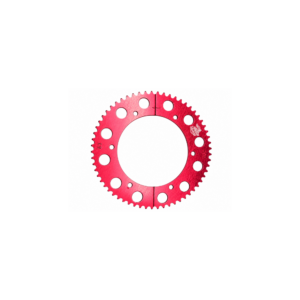
The drivetrain needs regular attention throughout the season. Chains can stretch or wear, sprocket teeth can become damaged, and clutch components may need servicing or replacement.
A worn chain or poorly aligned drivetrain can cause problems during a race, so inspect these parts regularly rather than waiting for something to fail.
For replacement components, Fast Kart Parts carries go kart chains and chain breakers suitable for different racing applications.
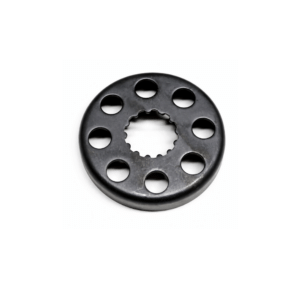
Clutch maintenance also depends on your setup. Check the manufacturer’s servicing instructions and inspect the clutch for wear, overheating or unusual engagement.
Engine Servicing and Replacement Parts
The type of engine you’re running affects your maintenance budget.
Four-stroke engines such as the Briggs LO206 generally have more manageable routine maintenance requirements than higher-performance two-stroke racing engines. However, oil changes, fuel-system inspections and other servicing still need to follow the manufacturer’s recommendations.
Fuel filters and lines also deserve attention. A restricted filter or deteriorating fuel line can create running problems that may cost you valuable track time. Our guide on how often to replace a go kart fuel filter explains what to inspect and when replacement may be necessary.
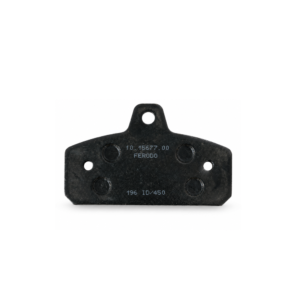
Other expenses can include brake pads, wheel bearings, steering components and replacement hardware.
Accident damage is less predictable. A bent axle or damaged steering assembly may need immediate attention before you can race again. Having money set aside for these repairs can prevent an unexpected mechanical problem from ending your season early.
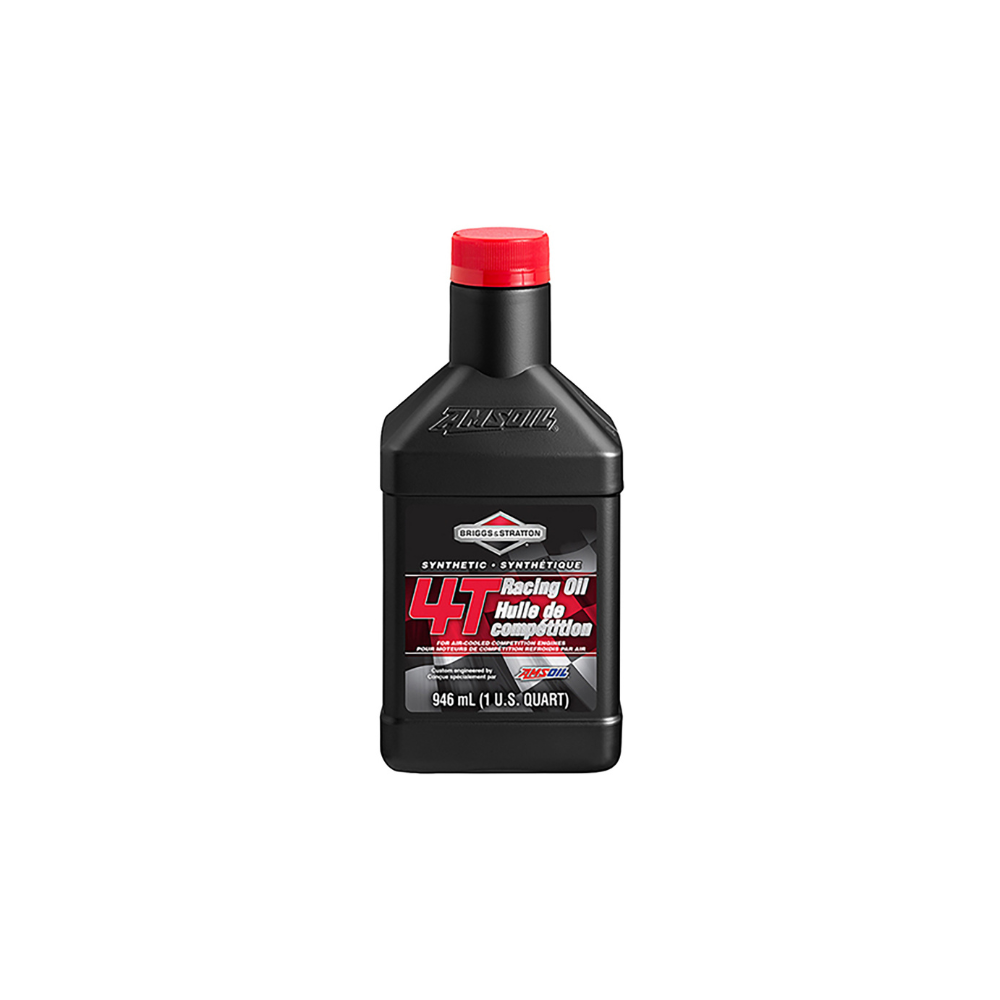
Briggs & Stratton 4T Racing Engine Oil – Synthetic, 1 Quart
Synthetic racing engine oil for Briggs LO206 and compatible four-stroke kart engines. Designed for high-RPM operation to provide consistent lubrication and help protect against engine wear.
$19.95
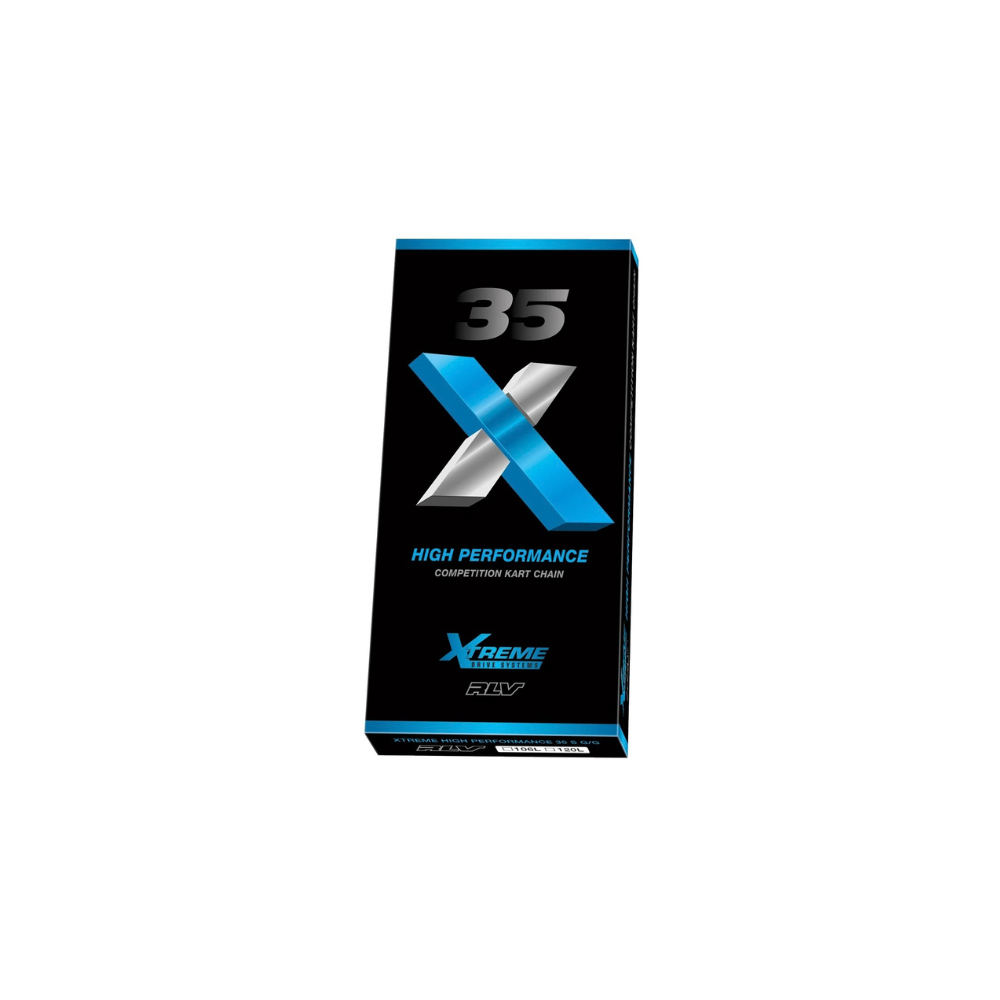
Xtreme #35 High Performance Go Kart Chain
High-performance #35 chain available in 106-link and 120-link lengths. Suitable for compatible kart drivetrains. Check your chain size and required link count before ordering.
$37.95 – $42.85
How Much Do Practice Sessions and Travel Cost?
Practice sessions are another expense to consider when planning your kart racing season, especially when they’re not included in race entry fees. For example, Pat’s Acres Racing Complex charges $50 for weekday practice and $60 for weekend practice in 2026, plus a $15 annual membership. Those fees cover track access, but you’ll also use fuel and put additional wear on your tires and other components every time you drive.
Travel costs depend largely on where you race and how far you’re willing to go for competitions. Racing at a nearby club may only require a short drive, while regional championships can involve several hours on the road, overnight accommodation and meals. You’ll also need a suitable vehicle or trailer to transport your kart, tools and spare parts safely.
Before choosing your race schedule, consider how many practice days you’ll attend and how much traveling each event requires. A championship with lower entry fees isn’t necessarily the cheaper option if you have to travel long distances for every race. For drivers watching their seasonal expenses, competing closer to home can leave more money available for track time and equipment maintenance.
Is Briggs LO206 Racing Cheaper Than Two-Stroke Kart Racing?
Yes, Briggs LO206 racing is generally more affordable than competing in two-stroke classes such as IAME KA100, particularly at the local club level. The LO206 uses a factory-sealed four-stroke engine with strict regulations that limit internal modifications. This helps keep engine costs more predictable and reduces the need for expensive performance upgrades.
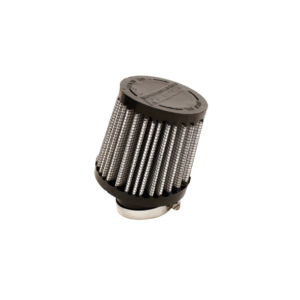
Two-stroke racing engines typically require more frequent specialist servicing, including periodic engine rebuilds. These expenses can add up for drivers who race regularly and spend additional hours practicing. The LO206 still requires proper maintenance, but routine servicing is generally less expensive. You can find Briggs LO206 engine parts, including air filters, spark plugs and racing oil, for regular upkeep.
However, engine maintenance isn’t the only expense worth comparing. Check which classes your local tracks offer and how often they race. A nearby LO206 championship with a full season of events may be more affordable than traveling several hours to compete in a two-stroke series. Race entry fees, tire requirements and travel distances can have just as much influence on your total seasonal budget as the engine you choose.
How Can You Keep Kart Racing Costs Manageable?
A little planning before the season starts can help you avoid unnecessary expenses. Here are a few practical ways to get more out of your kart racing budget without compromising safety or reliability.
1. Plan Your Race Schedule and Budget Early
Start with your club’s race calendar and decide how many events you can realistically afford to enter. You may not need to compete in every round, especially if you’re racing for experience rather than championship points. Check the series’ scoring rules before skipping events, though, since missing rounds could affect your standings.
Look for early registration discounts, multi-event packages or club membership benefits. Some organizers charge considerably more for late entries, so registering ahead of time can save money across the season.
2. Be Selective About Equipment and Upgrades
It’s easy to spend money on performance parts before you’ve made full use of your current setup. For club racing, focus on having a reliable, properly maintained kart that meets your class regulations.
Before replacing components, inspect their condition and determine if they actually need attention. There’s no reason to replace serviceable parts simply because you’ve completed another race weekend. At the same time, don’t put off repairs involving safety or reliability just to reduce expenses.
3. Keep Spare Parts and Emergency Costs in Mind
A relatively inexpensive component can end your race weekend if it fails and you don’t have a replacement available. Carrying commonly needed spares, such as a compatible chain, spark plug and essential hardware, can save you from searching for parts at the track or missing a race.
Set aside part of your seasonal budget for unexpected repairs, too. Racing incidents and mechanical failures aren’t always predictable, and having money available for replacement parts can help you get back on track without disrupting the rest of your racing schedule.
Plan for the Full Season, Not Just the First Race
Buying a kart and entering your first race is exciting, but you’ll want enough money left to keep competing throughout the season. Spending most of your budget on equipment can leave you short when it’s time to replace worn tires, pay for another race or deal with an unexpected repair. Starting with a manageable local race schedule gives you a chance to gain experience and get a better understanding of your actual racing expenses.
Once you’ve decided where and how often you’ll race, make sure your kart is properly prepared for the season ahead. Having essential replacement parts available and keeping up with maintenance can help you avoid missing races due to preventable mechanical problems. Browse our go kart parts and hardware to find what you need for your racing setup.