Preparing for your child’s first kart race is easier when you know what the track requires before buying equipment. Safety gear needs to fit correctly, the kart must suit your child’s racing class, and registration may involve more than paying an entry fee. Checking these details early helps you avoid unnecessary purchases and last-minute problems.
For their first race, your child will need approved protective gear, a properly prepared kart, completed registration and parental consent, and the driving skills to follow track instructions. This guide covers families bringing their own racing kart. For a rental race package, confirm which equipment and support the organizer provides before making purchases.
A Kart That Meets Their Racing Class Requirements
Before ordering a kart or parts, contact the club where your child will race. Share their age and driving experience, then ask which class they can enter. Names such as Kid Kart, Cadet, and Junior are useful starting points, but the organizer’s current rules determine eligibility and permitted equipment.
Ask for the specifications covering the chassis, engine, any required engine restrictor, tires, and minimum combined kart-and-driver weight. These details affect what you need to buy. A used kart advertised as a “kids’ racing kart” may need changes before it qualifies for your local class.
Send the seller’s specifications to the club or a kart shop before committing to the purchase. Confirm what comes with the kart and what needs replacing. This gives you a clearer picture of the cost than the advertised price alone.
Properly Fitted, Approved Safety Gear
Before buying safety gear, ask the organizer for the current equipment requirements for your child’s class. Check the required certification labels against the product details before ordering. A youth size or “kart racing” description alone does not confirm that an item is suitable.
Full-Face Helmet
Choose a full-face helmet that meets the event’s accepted standards for your child’s age. Have your child try it on with the chin strap secured. It should fit snugly without painful pressure and stay in place when they move their head. Follow the manufacturer’s fitting instructions, since sizing can differ between brands.
Avoid buying a larger helmet for your child to grow into. Avoid secondhand helmets with an unknown impact history, even when they look undamaged.
Suit, Gloves, and Footwear
Check the club’s clothing rules before choosing a suit. Some clubs allow an abrasion-resistant jacket with full-length pants, while others require a karting suit. Gloves and footwear must also meet the event’s requirements.
Have your child sit in a driving position while trying everything on. The clothing should cover their arms and legs without pulling tightly at the shoulders or knees. Gloves should allow a comfortable grip, and shoes should let them operate the pedals without catching or slipping.
Chest, Rib, and Neck Protection
Confirm which protectors your child must wear and the standards they need to meet. A rib vest does not automatically provide the required chest protection. For example, OVKA’s racing rules require chest and rib protection for youth classes and a karting neck collar for drivers under 18. Check your own organizer’s requirements before purchasing.
Try these items together with the helmet and suit before removing tags or packaging. Your child should be able to sit comfortably and move their head without the equipment interfering. Check the retailer’s return policy before ordering sizes you have not tried.
A Seat and Pedal Setup That Fits
A kart that qualifies for your child’s class still needs to fit them properly. With the engine off and their racing gear on, have your child sit in the seat and reach for the wheel and pedals. Their seated position should allow them to use the controls without stretching or shifting forward.
Check that they can press the brake firmly and operate both pedals through their required travel while their back stays supported. They should also be able to turn the steering wheel without their knees getting in the way. Wearing their rib and chest protection during this check helps you assess the seat fit accurately.
Have an experienced kart mechanic handle any seat or pedal adjustments using suitable components. Avoid loose cushions or homemade pedal extensions. Complete these adjustments before a supervised driving session so your child has time to get comfortable with the setup before racing.
A Kart That Is Ready for Inspection
Get the club’s pre-race inspection checklist and work through it before loading the kart. Finding a worn part or missing safety clip at home gives you time to fix it. Arrange for a kart mechanic to check anything you’re unsure about, particularly when you’ve bought a used kart with limited service history.
Start with the brakes, steering, and throttle. The brake system needs to work correctly, with no leaks, worn-out pads, or loose mounting hardware. Steering should move freely without binding or excessive play, and the throttle must return properly when released. When buying replacement go kart brake parts, match them to the installed system rather than choosing by appearance.
Check the tires, chain, sprockets, fuel lines, and required guards against the manufacturer’s instructions. Follow the club’s rules for securing fasteners and any added ballast. Perform hands-on checks with the engine off, and have faults repaired before your child drives.
Leave time for a supervised test session after repairs or adjustments. Race morning should allow for routine checks and inspection, without becoming the first opportunity to find out whether the kart works properly.
Basic Tools and Compatible Spare Parts
Bring the tools needed for the fasteners on your kart, including suitable sockets, wrenches, hex keys, and a torque wrench. A tire-pressure gauge, pump, kart stand, and cleaning cloths will also be useful between sessions. Check tool sizes at home so you don’t arrive with a toolbox that’s missing the one socket you need.
For spares, start with the correct spark plug, a compatible chain, and a small selection of matching nuts, bolts, and retention clips. Confirm specifications with your kart shop or mechanic, and label the parts so they’re easy to identify. You don’t need to buy every possible replacement for a first race.
A spare tie rod is worth discussing with your mechanic because a bent steering component can end the day’s driving. Our guide to measuring a go kart tie rod explains the length and thread details to check before ordering.
Ask the organizer whether a parts vendor or mechanic will be available at the track. Knowing what support you can access helps you decide what to bring and which purchases can wait.
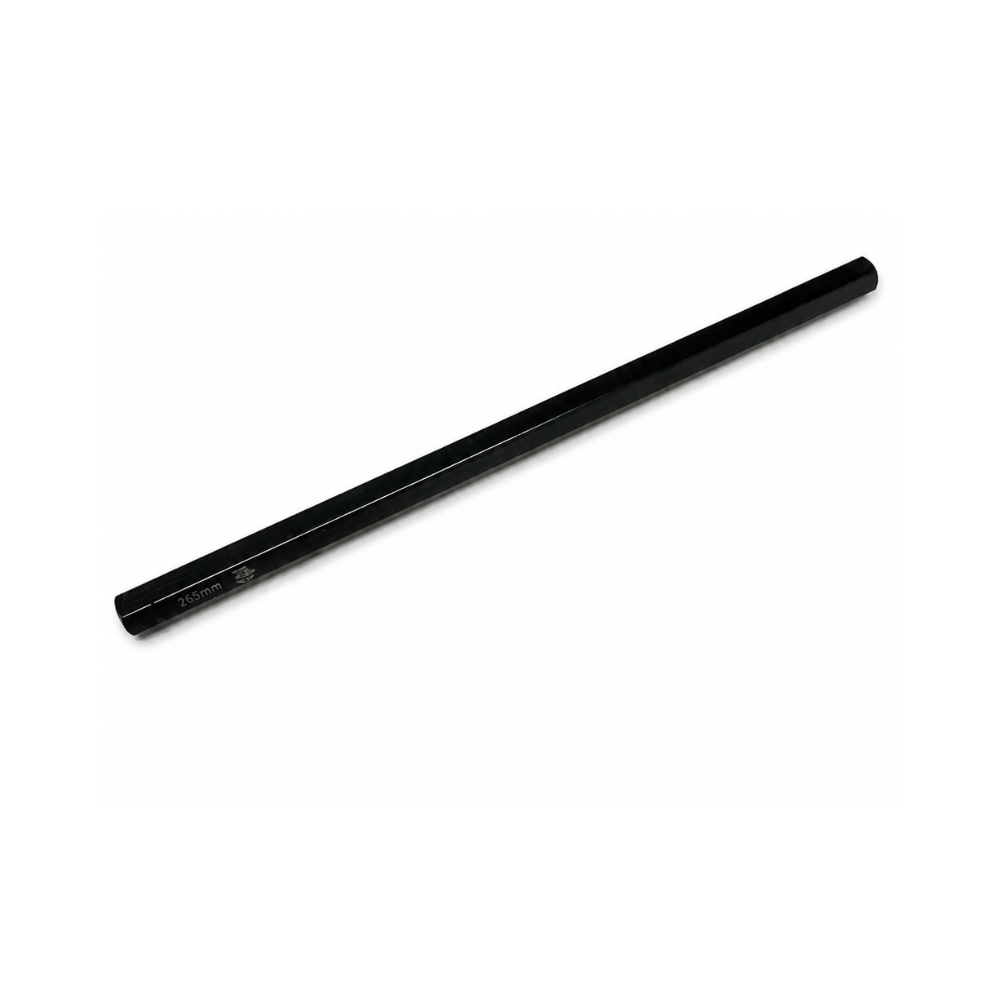
Tie Rods – Fast Kart Parts
Replacement kart tie rods available in multiple lengths. Match the length and thread specifications to your steering setup before ordering.
$17.00
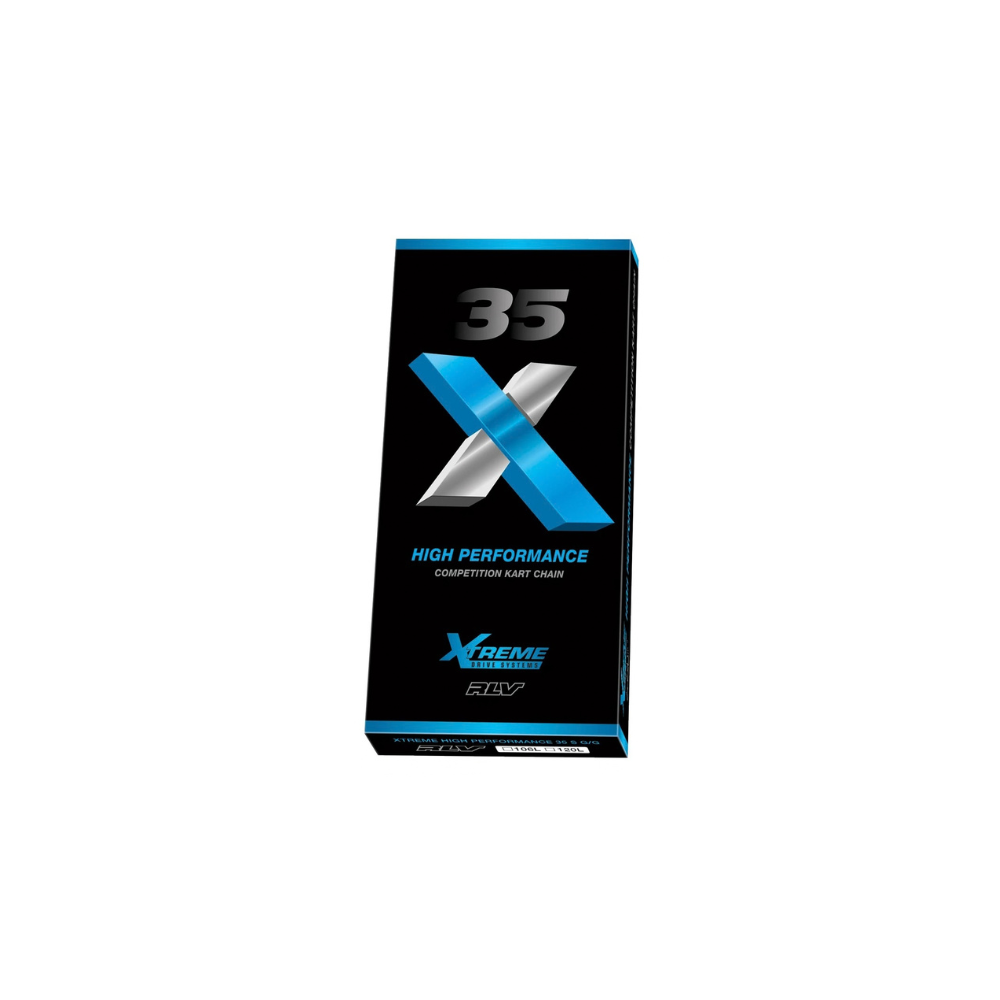
Xtreme #35 High Performance Go Kart Chain
Available in 106-link and 120-link lengths for compatible #35 drivetrains. Check your kart’s chain size and required length before ordering.
$37.95 – $42.85
Completed Registration and Parental Consent
Check the entry deadline and ask which documents you need to submit for a first-time racer. Depending on the event, these may include proof of age, a membership or racing license, and signed parental consent forms. Confirm whose signatures are required, especially when another adult will accompany your child.
Ask how race numbers are assigned and whether you need to rent a transponder, the device used to record laps. Confirm its mounting and charging requirements before race day. Include entry fees, pit passes, and any equipment rental in your budget.
Save a copy of the event schedule and plan your arrival around check-in, kart inspection, and the drivers’ briefing. Allow time to unload and find your pit area so you and your child can attend the briefing without rushing.
Driving Skills and Knowledge of Track Rules
Before entering a race, arrange supervised sessions where your child can learn to drive around other karts. They need to brake predictably, follow instructions, and understand the flags and signals used at the track. Ask the club about beginner coaching and how it assesses a new driver’s readiness.
Have an instructor explain race starts, entering and leaving the pits, and what to do after a spin or mechanical problem. Your child should know how to respond before these situations happen. Use the organizer’s procedures so the instructions they hear at home match what they’re taught at the track.
Keep your own feedback manageable by discussing one thing at a time. After each session, ask what felt difficult and share any concerns with the instructor. Let your child know they can speak up when they feel uncomfortable or need a break, without worrying about disappointing you.
Get Help Choosing the Right Kart Parts
When preparing your child’s kart, confirm fitment before ordering replacement parts. Have the chassis make, model, and any available part numbers or measurements ready. You can contact Fast Kart Parts for help matching components to your setup, leaving time to install and check them before race day.